The Complete Guide to QR Code Analytics & Tracking
Master QR code analytics: learn what metrics to track, how to interpret data, and optimize your campaigns for better ROI.
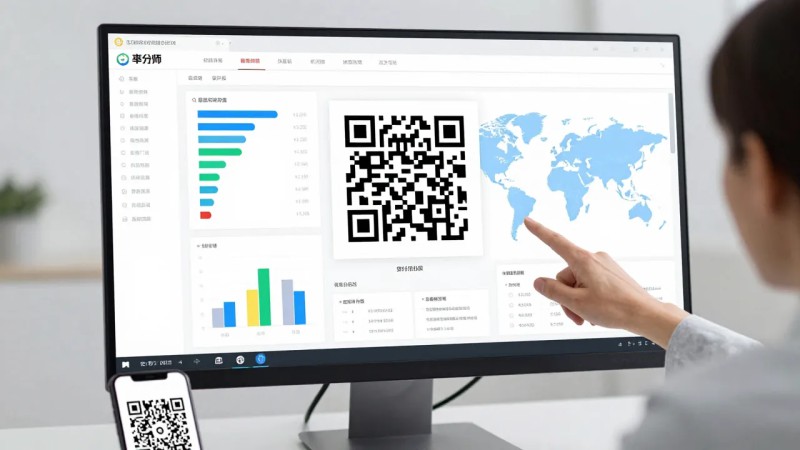
Understanding QR code analytics is essential for optimizing your campaigns and maximizing ROI. This comprehensive guide covers everything you need to track, analyze, and improve your QR code performance.
Why QR Code Analytics Matter
Business Benefits
- Measure ROI - Justify marketing spend
- Optimize campaigns - Data-driven decisions
- Understand audience - Customer insights
- Improve targeting - Better segmentation
- Track trends - Identify patterns
Performance Indicators
- Campaign effectiveness
- User engagement levels
- Geographic reach
- Device preferences
- Time patterns
Essential Metrics to Track
1. Scan Count
What it measures: Total number of scans Why it matters: Primary engagement indicator Benchmark: Varies by industry and placement
Interpretation:
- High scans - Good placement, clear CTA
- Low scans - Poor visibility, unclear value
- Declining - Campaign fatigue, outdated offer
2. Unique Scans
What it measures: Individual users (deduplicated) Why it matters: Actual reach vs. repeat engagement
Formula: Unique Scans / Total Scans = New vs. Return Rate
3. Scan Location
What it measures: Geographic distribution Why it matters: Regional performance, targeting
Use cases:
- Identify top-performing locations
- Optimize regional campaigns
- Detect fraud or unusual patterns
- Plan expansion strategies
4. Time-Based Data
What it measures: When scans occur
Patterns to identify:
- Peak hours - When to update content
- Day of week - Schedule promotions
- Seasonal trends - Plan campaigns
5. Device Information
What it measures: Scanner device type
Key insights:
- iOS vs. Android distribution
- Device models and OS versions
- Browser types
- Screen resolutions
Applications:
- Mobile optimization priorities
- Compatibility testing targets
- Platform-specific experiences
6. Scan Source
What it measures: Where QR code was placed
Examples:
- Print ads
- Product packaging
- Store displays
- Business cards
- Email campaigns
Strategy: UTM parameters or unique codes per location
Advanced Analytics
Conversion Tracking
Beyond scans, track:
- Form submissions
- Purchases
- Signups
- Downloads
- Social shares
Setup:
- Define conversion goals
- Implement tracking pixels
- Configure event tracking
- Set up funnels
User Journey Analysis
Map the path from scan to conversion:
- QR code scan
- Landing page view
- Action taken
- Conversion completed
Optimize: Each step to reduce drop-off
A/B Testing
Compare QR code variations:
- Design - Colors, patterns, logos
- Placement - Location, height, visibility
- CTA - Message, urgency, value
- Landing page - Layout, content, offers
Best practices:
- Test one variable at a time
- Sufficient sample size
- Statistical significance
- Document learnings
Attribution Modeling
Understand campaign contribution:
- First touch - Initial discovery
- Last touch - Final interaction
- Multi-touch - All touchpoints
- Time decay - Recent interactions weighted
Setting Up Analytics
Dynamic QR Codes (Recommended)
Built-in analytics with QRFlux:
- Create dynamic QR code
- Access analytics dashboard
- View real-time data
- Export reports
Static QR Codes
Manual tracking required:
- Use URL shortener with analytics
- Implement UTM parameters
- Configure Google Analytics
- Set up goals and events
UTM Parameters
Track campaigns precisely:
?utm_source=qr_code
&utm_medium=print
&utm_campaign=summer2025
&utm_content=poster_a
Analytics Dashboard Best Practices
Daily Monitoring
- Scan trends
- Unusual activity
- Error rates
- Conversion rates
Weekly Reviews
- Performance by location
- Device breakdown
- Top-performing codes
- Campaign comparisons
Monthly Reports
- ROI calculations
- Trend analysis
- Strategic recommendations
- Stakeholder presentations
Common Metrics Pitfalls
1. Vanity Metrics
Problem: High scans but no conversions Solution: Focus on business outcomes
2. Incomplete Data
Problem: Not tracking full user journey Solution: Implement end-to-end tracking
3. No Context
Problem: Numbers without benchmarks Solution: Compare to industry standards, past performance
4. Analysis Paralysis
Problem: Too much data, no action Solution: Focus on actionable insights
Optimization Strategies
Based on Scan Data
- Low scans → Improve visibility, CTA
- High bounce rate → Optimize landing page
- Regional variation → Localize content
- Time patterns → Schedule updates
Landing Page Optimization
- Load speed - Under 3 seconds
- Mobile-first - Responsive design
- Clear CTA - One primary action
- Value proposition - Immediate benefit
Continuous Improvement
- Review data regularly
- Identify opportunities
- Test hypotheses
- Measure results
- Iterate
Privacy and Compliance
Data Collection
- Transparency - Disclose tracking
- Consent - Obtain when required
- Minimization - Collect only necessary data
- Security - Protect user information
GDPR Compliance
- Anonymous IP addresses
- Data retention policies
- User data access rights
- Cookie consent
Reporting and Insights
Executive Summary
- Total scans
- Conversion rate
- ROI calculation
- Key insights
- Recommendations
Detailed Analysis
- Trend charts
- Geographic heat maps
- Device breakdowns
- Hour-by-hour patterns
- Comparative analysis
Export Options
- CSV for Excel analysis
- PDF for presentations
- API for custom dashboards
- Automated email reports
Tools and Platforms
QRFlux Analytics
- Real-time dashboard
- Custom date ranges
- Location tracking
- Device analysis
- Export capabilities
Google Analytics
- Advanced segmentation
- Custom reports
- Goal tracking
- E-commerce integration
Marketing Platforms
- CRM integration
- Marketing automation
- Attribution tracking
- Multi-channel analysis
Case Study Examples
Retail Campaign
- Objective: Drive in-store visits
- QR placement: Print ads
- Results: 15,000 scans, 22% store visits
- Insight: Weekends had 3x more scans
Event Registration
- Objective: Ticket sales
- QR placement: Posters, social media
- Results: 5,000 scans, 35% conversion
- Insight: Mobile-optimized page was critical
Product Packaging
- Objective: Website traffic
- QR placement: Product labels
- Results: 50,000 scans, 12% signups
- Insight: Video content increased engagement 2x
Conclusion
QR code analytics transform simple codes into powerful marketing tools. By tracking the right metrics, analyzing patterns, and continuously optimizing, you can significantly improve campaign performance and ROI.
With QRFlux's built-in analytics, you get comprehensive insights without complex setup. Start tracking today and turn data into actionable improvements.
QRFlux Team
QRFlux team shares insights on QR code technology, digital marketing, and best practices to help businesses succeed.
Ready to Create Your QR Code?
Start creating professional QR codes with advanced features
Get Started Free