Dynamic vs Static QR Codes: Which One Should You Use?
Understanding the key differences between dynamic and static QR codes will help you choose the right type for your business needs.
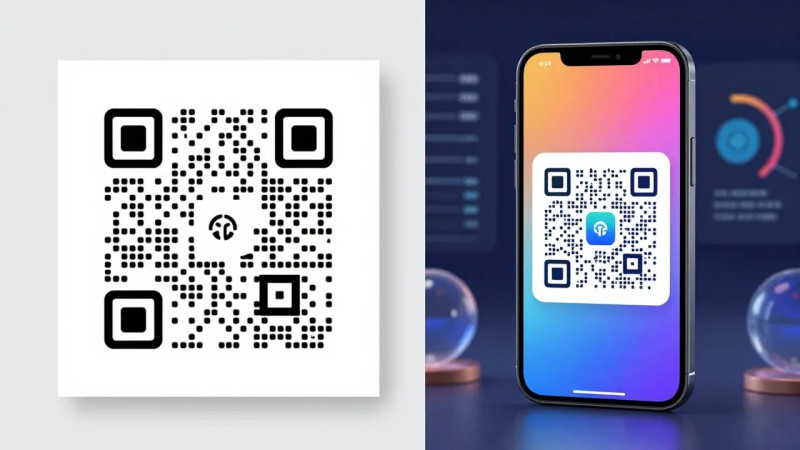
When it comes to QR codes, one of the most important decisions you'll make is choosing between dynamic and static QR codes. Understanding the differences between these two types will help you select the right solution for your business needs.
What is a Static QR Code?
A static QR code contains fixed information that cannot be changed once the QR code is generated. The data is encoded directly into the QR code pattern itself.
Key characteristics:
- Data is permanently encoded in the QR pattern
- Cannot be edited after creation
- No tracking or analytics available
- Free to create and use forever
- Works offline without internet connection
- Best for permanent information
Common use cases:
- WiFi credentials
- vCards (contact information)
- Product information that never changes
- Event details for one-time events
What is a Dynamic QR Code?
A dynamic QR code contains a short URL that redirects to your actual content. This allows you to change the destination without changing the QR code itself.
Key characteristics:
- Can be edited and updated anytime
- Detailed scan analytics and tracking
- Advanced features (password protection, scheduling, geo-targeting)
- Requires active subscription
- Needs internet connection to work
- Professional management tools
Common use cases:
- Marketing campaigns
- Restaurant menus that change seasonally
- Product promotions
- Event registrations
- Any content that needs updating
Feature Comparison
| Feature | Static QR | Dynamic QR |
|---|---|---|
| Edit after creation | ❌ No | ✅ Yes |
| Scan analytics | ❌ No | ✅ Yes |
| Password protection | ❌ No | ✅ Yes |
| Scheduling | ❌ No | ✅ Yes |
| Geo-targeting | ❌ No | ✅ Yes |
| Cost | Free | Subscription |
| Internet required | ❌ No | ✅ Yes |
Which Should You Choose?
Choose Static QR Codes when:
- Information never changes (WiFi passwords, contact cards)
- You don't need tracking or analytics
- Budget is a primary concern
- Internet connection may be unreliable
- Long-term archival purposes
Choose Dynamic QR Codes when:
- Content may need updates
- You need scan analytics
- Running marketing campaigns
- Want advanced features (password, scheduling)
- Professional business use
- Multiple destinations for different audiences
Best Practices
Regardless of which type you choose:
- Test thoroughly - Scan with multiple devices before deployment
- Use appropriate size - Minimum 2x2 cm for reliable scanning
- High contrast - Dark pattern on light background
- Error correction - Use higher levels for important codes
- Clear call-to-action - Tell users what they'll get by scanning
Conclusion
Both static and dynamic QR codes have their place. Static codes are perfect for permanent information and budget-conscious projects. Dynamic codes offer flexibility, analytics, and professional features essential for business applications.
At QRFlux, we support both types, allowing you to choose the best solution for each use case. Start with our free plan to create static QR codes, and upgrade to Pro when you need dynamic features.
QRFlux Team
QRFlux team shares insights on QR code technology, digital marketing, and best practices to help businesses succeed.
Ready to Create Your QR Code?
Start creating professional QR codes with advanced features
Get Started Free